Your 2026 Lifestyle Budget: A Step-by-Step Plan That Matches Your Goals
Feb 28, 2026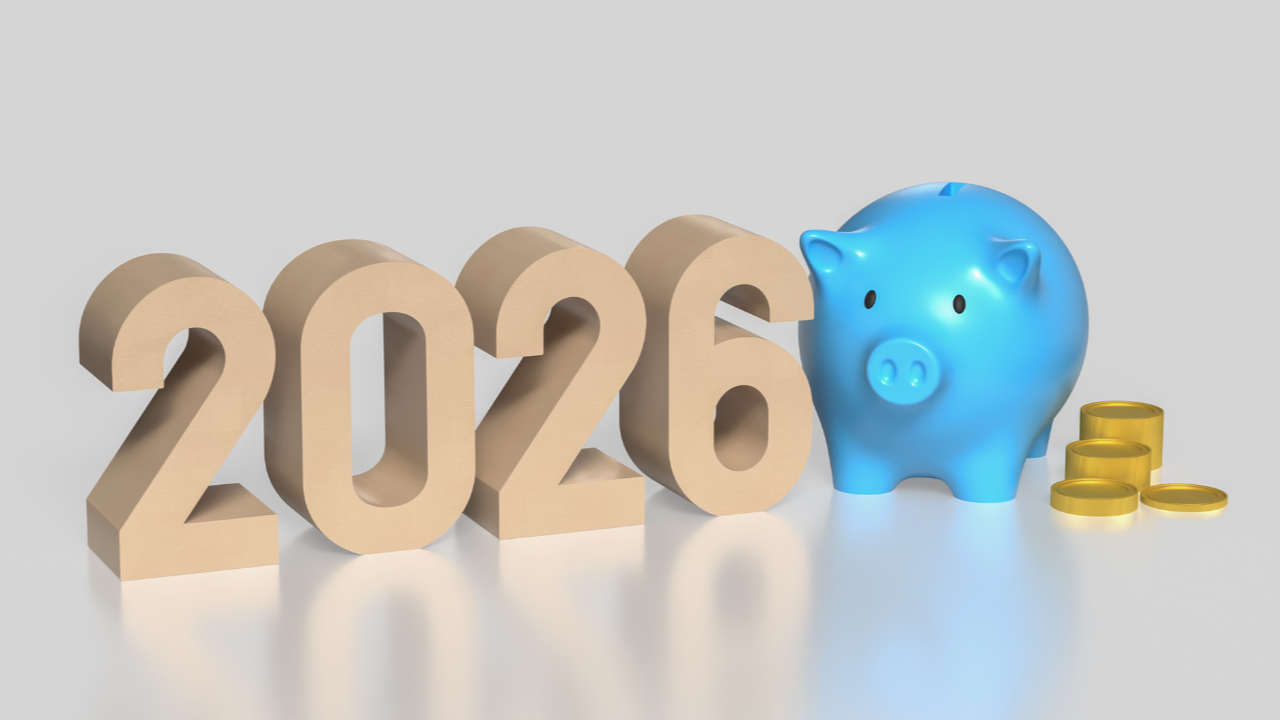
Most budgets fail because they don’t fit your lifestyle or goals. Sticking to a rigid plan drains your motivation and leaves you frustrated by March. Your 2026 budget can change that: a step-by-step personal budget plan that adapts to your income, priorities, and debt-payoff strategy. Let’s build a lifestyle budget that puts you in control all year long. For more guidance, check out this step-by-step guide for financial success.
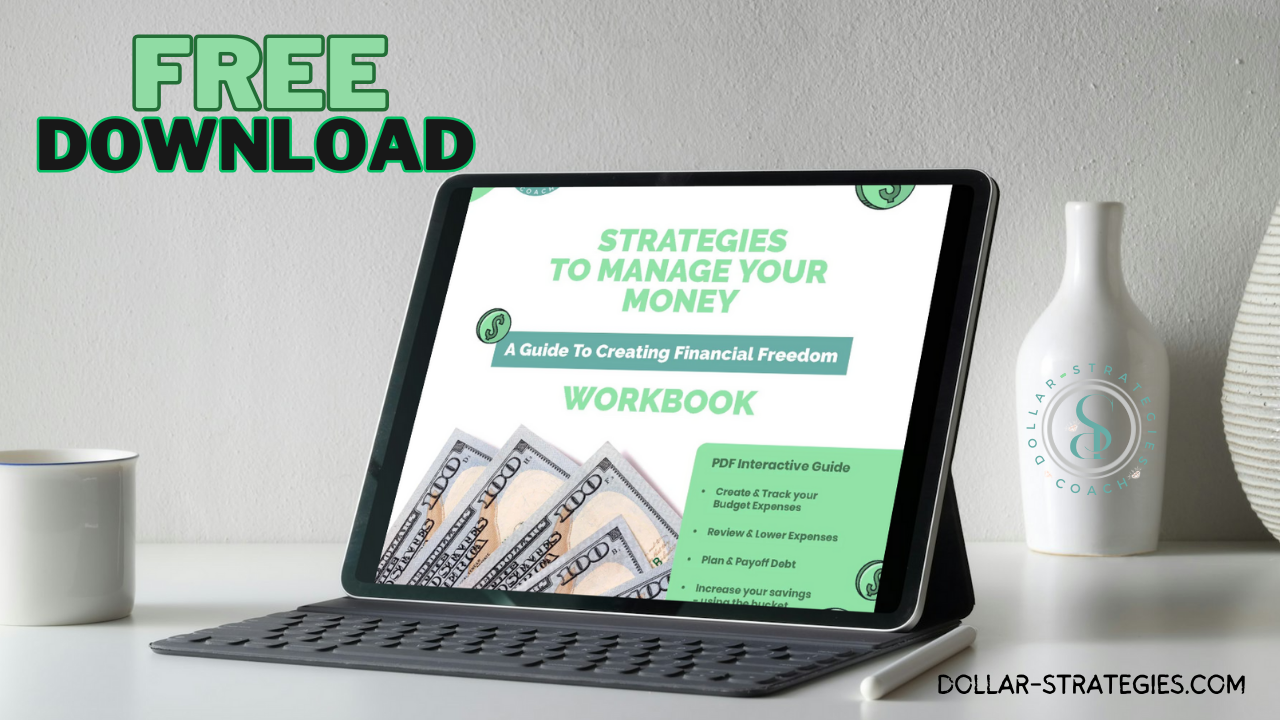
Building Your 2026 Budget
Creating a budget that lasts involves understanding different methods and tools that suit your lifestyle. Let’s dive into some practical strategies to help you craft a successful 2026 budget.
Embracing Zero-Based Budgeting
Zero-based budgeting is about matching every dollar to a specific purpose. You allocate funds for needs, savings, and wants until you reach zero. This method ensures that you account for every dollar and avoid overspending.
Start with your total income. Break it down into categories like rent, groceries, savings, and entertainment. If you earn $4,000, all of it should be assigned to a category. This way, unexpected expenses don't derail your plans. Remember, the goal is to have zero left unallocated.
Zero-based budgeting requires monthly adjustments. If your income changes, tweak your categories accordingly. It’s a dynamic approach that keeps you in control and aware of your spending habits.

Exploring the 50/30/20 Rule
The 50/30/20 rule divides your income into three parts: 50% for essentials, 30% for wants, and 20% for savings. This simple method helps balance needs and aspirations without feeling restricted.
Imagine you earn $3,000 monthly. Allocate $1,500 for necessities like housing and food. Set aside $900 for dining out or hobbies. The remaining $600 goes toward savings or debt. This balance ensures you enjoy life while planning for the future.
Stick to the percentages for several months. You'll notice how little changes can lead to big savings. Track your spending with a budgeting app to see where your money goes and make necessary adjustments.
Personalizing Your Cash Flow Plan
Your cash flow plan should reflect your unique lifestyle. Consider your income patterns, fixed expenses, and financial goals. The best plan adapts to your changing circumstances.
Begin by listing all income sources, including side hustles. Next, list expenses, prioritizing essentials. Identify surplus funds and redirect them to savings or debt repayment. Regularly review your progress to ensure alignment with your goals.
Personalizing your cash flow helps you take control. By understanding your financial habits, you can make smarter decisions and reduce stress.
Tools for Budget Success
Implementing the right tools can make budgeting easier and more effective. Let’s explore digital solutions that simplify financial management in 2026.
Leveraging Budgeting Apps 2026
Budgeting apps are indispensable for tracking spending and setting financial goals. Apps like Mint, YNAB, and PocketGuard offer features that help manage your finances efficiently.
These apps categorize transactions automatically, showing where your money goes. Set alerts for bill payments and receive spending reports. Over time, you'll develop a clearer picture of your financial habits.
Choose an app that suits your style. Some prefer visual graphs, while others like detailed reports. The right app can transform how you handle money, making budgeting a seamless part of your routine.
Setting Up Sinking Funds
Sinking funds prepare you for future expenses by setting aside small amounts regularly. This method prevents budget shocks when large bills arrive.
Create categories for things like holidays, car maintenance, or medical expenses. Allocate a monthly amount for each. For example, save $50 monthly for a $600 car repair expected in a year.
Sinking funds transform unexpected expenses into planned ones. They reduce financial stress and ensure you’re ready for life’s surprises.
Automating High-Yield Savings
High-yield savings accounts offer better interest rates, increasing your savings over time. Automating deposits ensures consistent growth without effort.
Set up automatic transfers from checking to savings after each paycheck. Even $100 monthly can grow significantly with compound interest over time.
Automating savings helps you prioritize financial goals effortlessly. It's a simple yet powerful step toward a secure financial future.
Strategies for Financial Freedom
Achieving financial freedom requires strategic planning and informed decisions. Here are some tactics to guide you on this journey.
Tackling Debt Snowball vs. Avalanche
Debt snowball and avalanche are two methods to eliminate debt. Which one suits you depends on your goals and personality.
The snowball method focuses on paying off the smallest debt first for quick wins. The avalanche method targets high-interest debts to save money over time.
Choose the approach that motivates you most. If seeing quick results keeps you going, snowball might be best. If saving on interest excites you, try avalanche.

Enhancing Your Credit Score
A good credit score opens doors to better financial opportunities. Paying bills on time and reducing credit card balances are essential for improvement.
Regularly review your credit report for errors. Dispute inaccuracies promptly to maintain an accurate score. Aim for a credit utilization ratio below 30% to boost your rating.
Improving your credit score takes time, but consistent effort pays off. A higher score means access to better loans and interest rates, saving you money in the long run.
Planning for Retirement 2026 📈
Retirement planning is crucial for long-term financial health. Start by estimating your retirement expenses and income sources.
Contribute to retirement accounts like 401(k)s or IRAs, taking advantage of employer matches. Consider diversifying investments to manage risk.
The sooner you start, the better. Compound interest works in your favor, growing your nest egg over time. Retirement planning ensures you enjoy financial freedom in your golden years. Explore more tips on setting and sticking to financial goals blog post here.
In conclusion, building a budget that suits your lifestyle involves understanding and implementing various strategies. Whether through zero-based budgeting or using the 50/30/20 rule, personalization is key. Utilize tools like budgeting apps and sinking funds to stay on track. Remember, financial freedom is within reach with the right plan and mindset.
Stay connected with news and updates!
Join our mailing list to receive the latest news and updates from our team.
Don't worry, your information will not be shared.
We hate SPAM. We will never sell your information, for any reason.
Author