Mastering Your Budget: A Personalized Path to Financial Success
Dec 01, 2025
Most budgets fail because they’re copied from a template that doesn’t fit your life. You’ve tried cutting expenses and tracking every dollar, but the results don’t stick. Personalized budgeting changes that by shaping strategies around your unique goals and challenges—giving you a real chance at financial success. Let’s explore how crafting your own plan can break debt cycles and build lasting financial freedom. Learn more about budgeting methods here.
Personalizing Your Budget

Creating a budget tailored to your unique needs is the first step to financial success. By understanding your financial goals, you can chart a reliable course toward achieving them.
Understanding Your Financial Goals
To start, ask yourself what you truly want to achieve with your money. Dream big, but be specific. Do you want to pay off $10,000 in debt, save for a down payment on a house, or maybe build a $5,000 emergency fund? Identifying these goals gives your budget purpose and direction. Knowing what you’re working toward makes it easier to stay motivated and committed.
Consider this: Most people aimlessly save without a clear target, leading to frustration. But when you set a specific goal, like saving $200 each month for a vacation, your path becomes clear. This clarity is your roadmap to success. Plus, revisiting your goals regularly helps ensure they still align with your changing life circumstances.
Identifying Spending Habits
Understanding your spending habits is crucial for a personalized budget. It’s like looking in a mirror—sometimes revealing, but necessary. First, track your expenses for a month. Use tools like apps or a simple notebook to jot down every purchase, from groceries to coffee runs.
Once you have this data, categorize it. How much goes to essentials like rent and utilities? What about discretionary spending, like dining out or hobbies? Seeing these numbers can be eye-opening. Many people are surprised to find hidden spending leaks. Identifying these patterns allows you to make informed choices about where to cut back.
Next, reflect on these habits. Do they reflect your values and goals? If not, consider adjustments. Remember, small changes, like brewing coffee at home, can lead to significant savings over time. Understanding your habits allows you to redirect money to what truly matters.
Creating Realistic Budgets
With goals and habits in focus, the next step is crafting a budget that's realistic. Start by listing your income sources. Next, categorize your expenses into fixed and variable costs. Fixed expenses, like rent and insurance, are predictable. Variable expenses, such as groceries, can fluctuate.
Allocate funds to each category, but leave room for the unexpected. Life is unpredictable, so a buffer is crucial. Aim to save 10-15% of your income if possible. This savings can cushion unforeseen expenses or contribute to long-term goals.
Remember, a realistic budget is flexible. Review it monthly and adjust as needed. Maybe you got a raise or found ways to save on utilities. Reflect these changes in your budget. The key is adaptability. A budget isn’t static; it evolves with you.
Strategies for Financial Success

Now that you have a personalized budget, it’s time to explore strategies that will lead you to financial success. These techniques will empower you to manage money confidently and effectively.
Effective Budgeting Techniques
Successful budgeting requires techniques that work for you. One popular method is the 50/30/20 rule. Allocate 50% of your income to needs, 30% to wants, and 20% to savings. This structure balances present enjoyment with future security.
Another technique is zero-based budgeting, where every dollar has a job. At the end of the month, your income minus expenses should equal zero. This approach forces mindfulness and accountability. Explore more budgeting techniques in this comprehensive guide.
Consider trying envelope budgeting. Allocate cash to envelopes for each spending category. When an envelope is empty, spending stops. This method is tangible and forces spending discipline.
Leveraging Financial Coaching
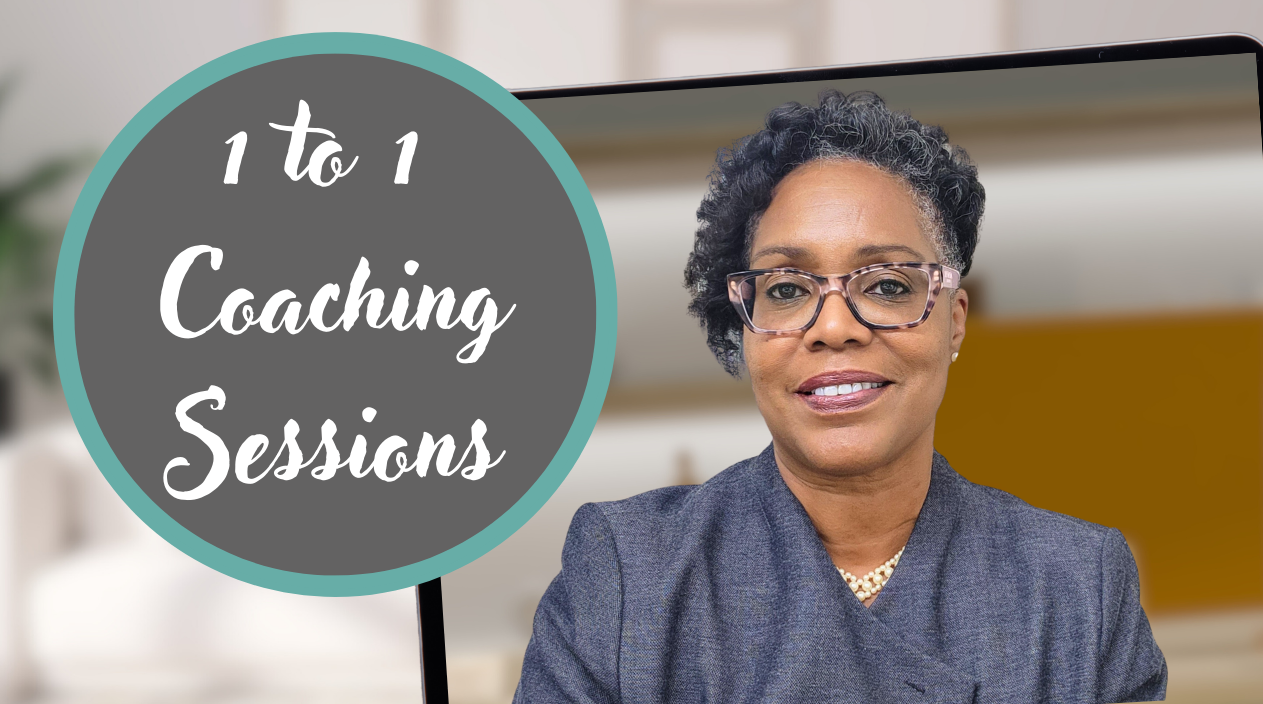
Sometimes, you need a guiding hand on your financial journey. That’s where financial coaching comes in. A coach can provide personalized advice tailored to your situation. They help set realistic goals, develop actionable plans, and offer accountability.
Many people think they can’t afford coaching, but the benefits often outweigh the costs. Coaches can introduce you to strategies you may never have considered. They can also provide encouragement and support when you hit roadblocks.
If you're serious about financial success, considering coaching might be a wise investment. Remember, investing in yourself often yields the highest returns.
Overcoming Debt Challenges
Debt can feel like a heavy burden, but it’s one you can lift with the right approach. Start by listing all debts, from smallest to largest. This visual helps prioritize.
Consider the snowball method: pay minimums on all debts except the smallest, which you attack aggressively. Once paid, roll those payments into the next smallest debt. This momentum can be motivating. Read more about overcoming debt challenges and strategies here.
Alternatively, the avalanche method focuses on interest rates. Pay off the highest interest debt first to save money over time. Both methods work; the best one is the one that keeps you motivated.
Achieving Financial Freedom

With a solid budget and strategies in place, you’re on the path to financial freedom. This section explores how education and community support can enhance your journey.
Building Financial Literacy
Financial literacy is the foundation of all financial success. It empowers you to make informed decisions. Start by reading books, attending workshops, or even taking online courses. Aim to learn something new each month.
Understanding concepts like compound interest, investment diversification, and risk management broadens your financial toolkit. These are the skills that turn goals into realities. Imagine the confidence of understanding your retirement plan or investment portfolio.
Share what you learn with friends or family. Teaching others reinforces your understanding and builds a supportive network. Remember, knowledge is power, and sharing it multiplies its impact.
Implementing Personalized Budgeting
With knowledge in hand, return to your budget. Assess what’s working and what needs tweaking. Personalization means your budget isn’t one-size-fits-all. It’s a living document that grows with you.
Use your financial literacy to optimize your budget. Maybe you find better ways to save or invest. Perhaps you discover a side hustle that enhances your income. Regular reviews ensure your budget evolves with your life and goals.
Track your progress and celebrate milestones. Whether it’s paying off a credit card or hitting a savings target, acknowledge your achievements. These victories reinforce positive habits and fuel further success.
Engaging with Community Support
Finally, remember you’re not alone on this journey. Engaging with a community can provide encouragement and fresh ideas. Join forums, attend local finance meetups, or participate in online groups.
Sharing experiences and challenges fosters a sense of belonging. It also provides accountability. When others share their journeys, it can inspire new approaches or affirm your strategies. Learn how community support can play a role in your financial success.
The longer you wait to engage, the more opportunities you miss. Surrounding yourself with like-minded individuals can accelerate your progress and enrich your journey.
By personalizing your budget and leveraging strategies for success, you're not just managing money—you're building a future. Financial freedom is within reach, and with the right tools and community, you can achieve it. Your journey starts now—embrace it and thrive.
Stay connected with news and updates!
Join our mailing list to receive the latest news and updates from our team.
Don't worry, your information will not be shared.
We hate SPAM. We will never sell your information, for any reason.
Author